The Confederacy of Mainland Mi’kmaq and the One Yukon Coalition are leading two genomics capacity building projects that bring hands-on research and training into communities, addressing local priorities from environmental monitoring to community health.
Through these projects, Indigenous youth, Elders and community practitioners take part in fieldwork, sequencing and data interpretation, applying and shaping genomics alongside Indigenous knowledge systems to address locally defined needs.
The projects are supported by $420,000 in federal investment through Genome Canada’s Indigenous Genomics Training and Capacity program and by $117,000 in co-funding from community partners.
Explore the projects
Indigenous leadership is essential to ensuring genomic technologies and research are applied responsibly with tangible impacts for communities, on their own terms. These projects will help contribute to that foundation, supporting capacity, career development and Indigenous-led science.
Community-driven microbe sequencing and naming in Pictou Landing First Nation
At Pictou Landing First Nation in Nova Scotia, a new project is using microbial genomics as a pathway to strengthen community participation in research and support self-determination.
Led by the Confederacy of Mainland Mi’kmaq, the project invites community members—from elementary school youth to Mi’kmaq Elders—to take part in workshops, fieldwork and laboratory experiences focused on sequencing microbes from local environments.
Participants will help collect samples, generate genomic data and name newly identified microbial species. This work challenges traditional scientific naming practices by acknowledging that discovery is tied to Indigenous lands, knowledge and stewardship.
By bringing together Mi’kmaw knowledge and genomics, the project creates a meaningful entry point into science while generating data that can inform priorities such as environmental monitoring and land use planning.
Project leads: Meredith Karcz (Confederacy of Mainland Mi’kmaq), Casey Hubert (University of Calgary), James Kho (Dalhousie University) | Funded through Genome Atlantic
Indigenous-led genomics curriculum for One Health and climate resilience in the North
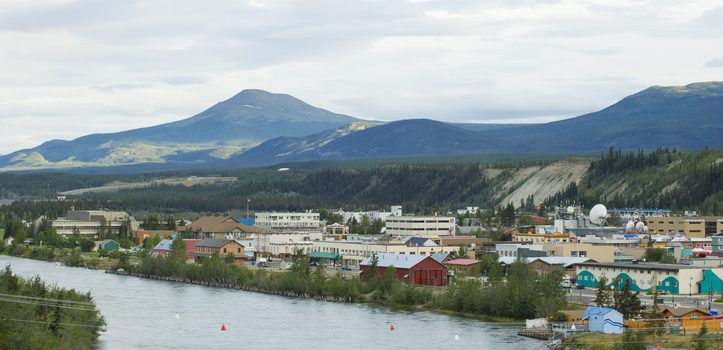
In the Yukon and across northern regions, a second project will support First Nations youth and Northern Land Guardians working to improve community health and support environmental protection.
Led by the One Yukon Coalition, the project will co-develop and deliver a culturally grounded One Health curriculum for First Nations youth and Northern Land Guardians. “One Health” approaches ensure human, animal and environmental health are monitored and managed cohesively.
Participants will gain hands-on experience in environmental DNA sampling, wastewater monitoring and genomic analysis. The project is designed to be both locally relevant and scalable, with Indigenous governance embedded throughout and aligned with the First Nations Principles of OCAP® to uphold Indigenous data sovereignty. It will train at least 40 participants and develop a reusable curriculum that can be adapted in other northern and Indigenous communities. Alongside technical skills, the program places emphasis on interpretation, storytelling and knowledge sharing—ensuring genomics training supports both science and community priorities.
Project lead: Math’ieya Alatini (One Yukon Coalition) | Funded through Genome British Columbia
About Genome Canada
Genome Canada is a national not-for-profit leading large-scale research missions that translate excellent science into economic, health and environmental solutions. We align Canada’s genomics ecosystem for impact.